The Honda CR-V

One of the most popular and reliable car manufacturers in the automotive industry right now is Honda. They are a popular Japanese car maker that has automotive plants all over the globe, including the US. One of Honda’s most famous models is the Civic. However, Honda has also extended into the production of the sport-utility vehicle or SUV. At present, Honda’s premiere SUV is the CR-V. The CR-V was originally built as a compact station wagon, but as the years have gone by, this vehicle has gradually transformed into a crossover and is currently sold to car finders in markets throughout the globe.
Brief History of the CR-V

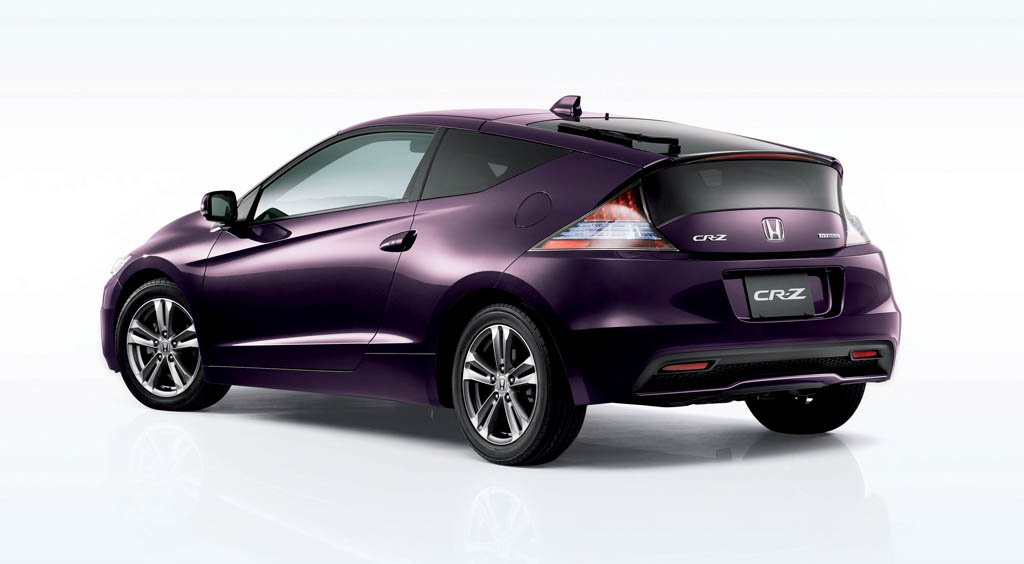
The Honda CR-V was introduced to the automotive market in 1995. The CR-V was originally intended to be a niche vehicle. That was due in part because Honda was hesitant in marketing this model on a large scale. Honda was uncertain if the CR-V would be capable of taking the place of the Honda Passport as an entry-level SUV in the U.S.

Honda’s worries were put to rest after entering the CR-V in the 1996 Chicago Auto Show. Car buyers and enthusiasts alike had paid close attention to the CR-V, which was thought to be a good indication of potential sales. In addition to this, Honda also began taking note of the successes Toyota’s RAV4 had achieved when it was released to the market.

Due to these factors, the CR-V was released in the US in 1997, alongside other SUVs, such as the Subaru Forrester. Since then, the CR-V has started building its reputation as an in-demand and reliable SUV. As of present, Honda is about to release their fourth generation Honda CR-V, which has many new exciting features that are being offered.

What does “CR-V” means?

With all its success and popularity, there is still a question that remains uncertain about the Honda CR-V. What does “CR-V” mean? All through the years, Honda has yet to come up with a concrete answer as to what CR-V stands for. In fact there are a lot of interpretations as to what it stands for.

Many car experts have researched the meaning of CR-V. One of the possible answers could be “Civic Recreation Vehicle.” This assumption was based on the notion that the CR-V was built on the Civic platform. Many observers believe that this vehicle was originally produced as an extension of the Civic line to satisfy the needs of Honda car finders who are after Honda-made SUVs. On the other hand, several sales literature’s in the UK consider the CR-Vs acronym to stand for “Compact Recreational Vehicle”, while the official fact book of Honda Japan CR-V states that it is an acronym for “Comfortable Runabout Vehicle”.

Despite the uncertainties connected to its name, the Honda CR-V still enjoys significant increases in demand, as well as new vehicle upgrades that improve its capability of being a great SUV.
Honda Cars in India

Both Honda sedans and SUVs are becoming popular in India. In India, these cars are manufactured and marketed through Honda Siel Cars India Ltd., a joint effort of Honda Motor Co. Ltd. Japan and Siel Ltd. The car maker first stepped on the Indian road in 1997. It is 13 years now and we see Honda cars everywhere with their glossy looks and relaxing features. Honda has profitably built a positive reputation in India. Also to be noted, all Indian Honda car models run on petrol.

The facelifted Honda City targeting the middle class consumers was reintroduced in 2003 as Honda City ZX. The Civic made it to the Indian roads in July 2006. The car maker then brought in high-end and costlier models; SUVs and sedans. The CR-V SUV, was launched in November 2006, and Honda Accord debuted in January 2007. As of now, Honda City, Civic and Accord models are produced in India, while Honda CRV is imported from Japan. Let’s have a look at the Honda cars in India.

The Honda City Zx is certainly an athletic sedan that has well-thought-of looks and features. In India, this car is available as 4 variants, the Exi, Gxi, CVT and VTEC. The car is perfect for mid-sized Indian families and bears attractive prices too.

Next, we have the Civic sedan that is popular in India for its pricing, remarkable mileage, eco-friendly features and high performance. The sedan is priced between Rs 12 Lakh and Rs 13.5 Lakh and the Civic is definitely worth this price. With the introduction of this car in India, Honda has earned itself a very impressive reputation for reliability. Like the Honda City, the Honda Civic too is available as four variants in India. They are Honda Civic 1.8V MT, Honda Civic 1.8S MT, Honda Civic 1.8S AT and Honda Civic 1.8V AT. While AT in the variants stands for automatic transmission, MT stands for manual transmission.

The Honda Accord is like a piece of art priced between Rs 16 Lakh and Rs 19 Lakh. The sedan is a high performer giving an exceptional output beyond expectation. The hot Indian models of the Honda Accord include Accord Vti-L M/T, Accord Vti-L A/T and the Accord V6. The car is spacious and can accommodate an entire Indian family.

As of now, Honda India sells just one SUV, the Honda CRV, in two petrol variants that are fully imported. Honda CR-V is available with the automatic and manual transmission options. There can be nothing like the CR-V when it comes to advanced features and comfort. This Honda car can hold more than the average Indian family size.

Five Action Rules for Owners of Small Organizations: The Legend of Soichiro Honda

Mr. Soichiro Honda (1906-1991) was the founder of crz honda price and became the first Japanese in the Automotive Hall of Fame in 1989. He has been also famous for his powerful leadership and charismatic personality which brought a small Japanese motorcycle manufacturer to the global market as one of major players in the automobile industry. This article will discover Mr. Honda’s action rules for owners of small companies.

Mr. Honda was a genius engineer and a great dreamer who made endless efforts to make his dreams true. The important point here is that his dreams become not only his employees’ dreams but also monument landmarks of the history of Honda Motor. When he got his dreams, very challenging ones, he did not wait to express the dreams in his company. While some employees might even be shocked by his very challenging dreams, his employees were eventually convinced and motivated by Mr. Honda to go for the dreams.

Once he saw his employees had start working for the dreams, he did not wait to show his absolute commitments to the dreams. He always talked about the dreams when he was working. He always ask employees progress. If they would need something to do for the dreams, Mr. Honda had no hesitation to support in any way. When he saw any progress, he was sharing excitements of the progress with his employees. He was really good at showing such progress to his employees so that they were not only making efforts for the dreams but also getting job satisfaction.

When Mr. Honda started producing small engines to make bicycles instant motor-bicycles in 1946, he got his first dream that he would produce the best motorcycle in the world. At that time, with his skills and experiences as one of the best automobile engineers in Japan, such a dream was seemed to be a very and almost impossible dream. At the time, Japanese products were very famous as cheap and shoddy. Honda’s motorcycles were far behind of the global standard, too.

Since nobody in the company could even imagine the global standard at that time, Mr. Honda had to express his dream in a way these employees could feel in somehow someway. What he did was to let his employees experience the global standard and competition directly. In 1954, Mr. Honda told his employees that Honda Motor was going to participate in The Isle of Man Tourist Trophy Race with its motorcycles. By having such a realistic dream, Honda’s employees could star working on checking great motorcycles that won the race.

When they found huge differences between their motorcycles and the great motorcycles, they showed their pessimism in their abilities. Mr. Honda immediately told them about his confidence in technological and engineering levels of all engineers of Honda Motor. He also showed his own commitment to this challenge as the president by working more than anybody else day and night. His employees started feeling comfort with such unconditional supports from him and being confident about themselves as a team.

In 1959, after 5 years, Honda Motor participated in the race and won the 6th place, which was a great surprise and excitement for all employees of Honda. After the first successful race, Mr. Honda showed heartwarming appreciations to his employees and told them cheerfully and confidently another challenge in the race: the 1st place. He knew that people tended to feel burn outs when they accomplished their dream after endless efforts. He did not let them feel the burn outs by giving them another dream. After all, Honda Motor team won 4th place in 1960 and 1st place with new records in 1961. He and his employees made the first landmark together.

Once Honda became the leading motorcycle manufacturer in the world, Mr. Honda showed another dream with automobiles that they had just started producing in 1963 as the youngest automobile manufacturer in Japan. With the fact that other Japanese automobile manufacturers had already started competing in the global market, Mr. Honda expressed his intention to produce automobiles that could win out in the global market.

Design a site like this with WordPress.com
Get started